
What Sets Live Scan Fingerprinting Apart from Traditional Methods?
TL;DR: Live scan fingerprinting captures prints digitally using an electronic scanner, transmitting results to agencies like the FBI and Florida Department of Law Enforcement (FDLE) within 24–72 hours. Compared to traditional ink methods, live scan delivers near-zero rejection rates, faster turnaround, and stronger compliance—making it the standard for background checks in most regulated industries.
Getting fingerprinted used to mean one thing: messy ink, a paper card, and a whole lot of waiting. Maybe you remember pressing your fingers into a black ink pad, hoping you didn't smudge the card and ruin the whole thing. Not exactly a great experience.
Times have changed. Today, live scan fingerprinting has replaced those ink pads with sleek digital scanners that capture your prints in seconds. But what actually makes live scan better? Is it just about skipping the mess, or is there more to the story?
There's a lot more to it. This post compares live scan fingerprinting to traditional ink methods side by side—covering speed, accuracy, compliance, and convenience—so you know exactly what to expect and which method applies to your situation.
What is Traditional Ink Fingerprinting?
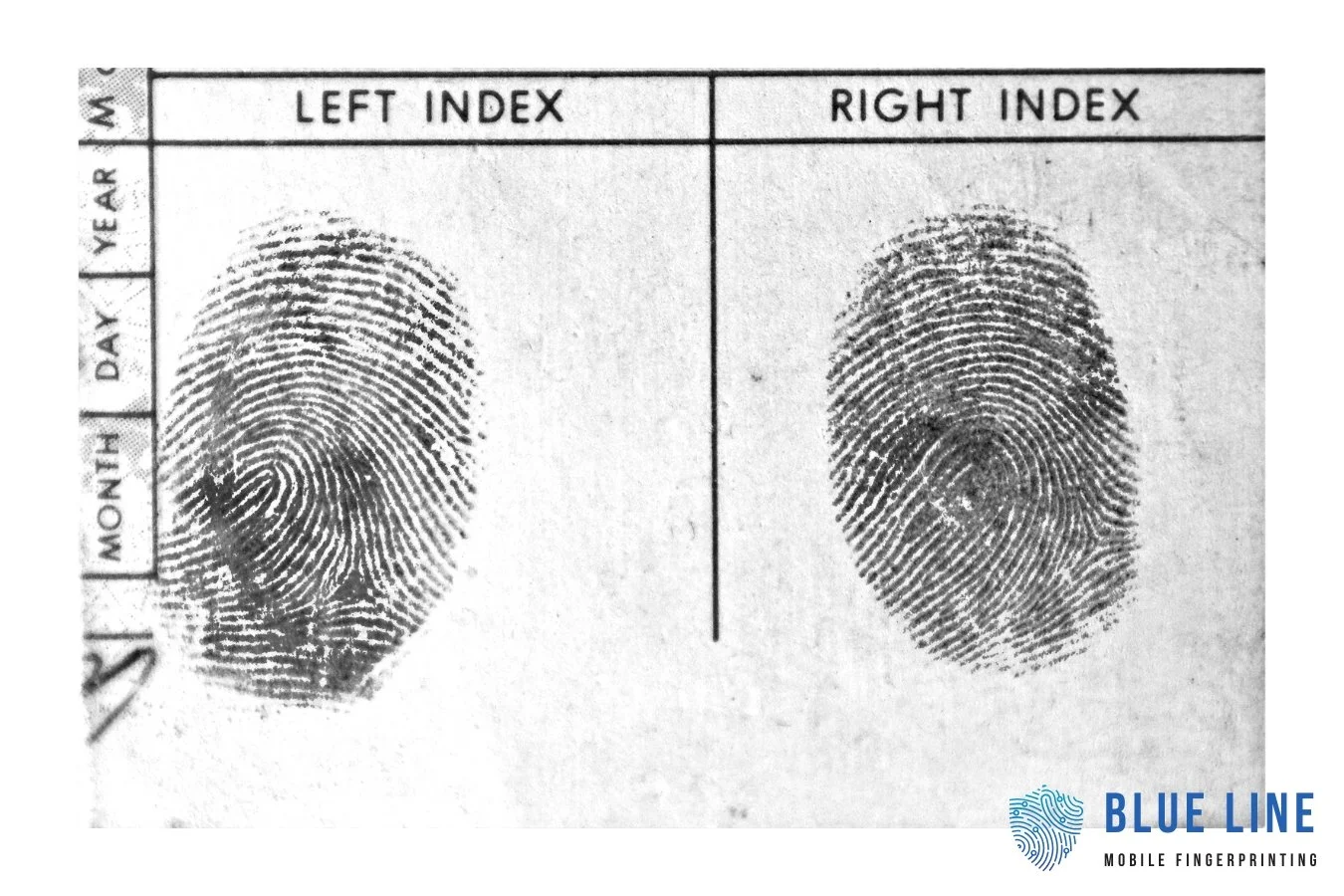
Traditional ink fingerprinting—also called rolled ink fingerprinting—has been in use for over a century. Each finger is pressed into ink and rolled onto a standard paper card, most commonly the FBI's FD-258 format. The completed card is then physically mailed to the requesting agency for review.
The method works, but it has real limitations. Smudges, uneven pressure, and dry skin can all affect print quality. Because there's no quality check at the point of capture, problems often aren't discovered until weeks later—when the card reaches the processing agency. The FBI rejection rate for ink cards runs between 7–10%, according to processing data from the Florida and California Departments of Justice. A rejected submission means starting the process over and resetting the entire timeline.
It's also worth noting that as of January 2025, the FBI no longer accepts hard card fingerprint submissions for criminal history record checks. Per the FDLE Criminal History Fee Schedule, all fees now apply to electronic fingerprint submissions only. For most regulated employment and licensing purposes, ink cards are no longer a viable option for submitting to the FBI.
What Is Live Scan Fingerprinting?
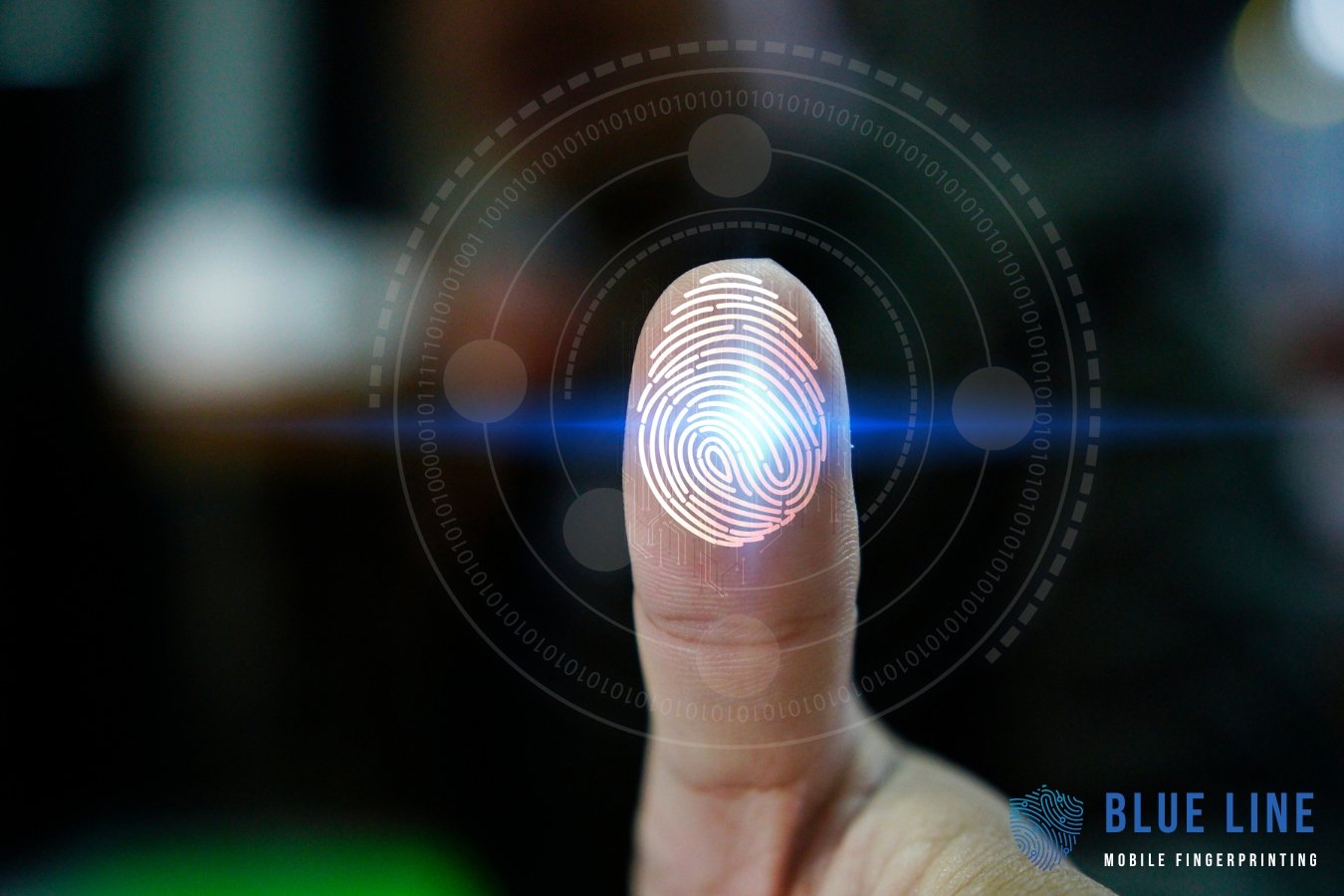
Live scan fingerprinting captures your prints digitally using an optical or capacitive scanner—no ink required. Each print is converted into a high-resolution digital image, quality-checked in real time, and transmitted electronically to the requesting agency. Systems certified to FBI IAFIS standards must exceed 500 dpi image resolution under the ANSI/NIST-ITL 1-2011 standard, ensuring consistent, reliable results.
The technology is fast. A certified live scan device can capture four-finger slaps and two thumbs in under 15 seconds. Prints go directly to the Florida Department of Law Enforcement (FDLE), the FBI's Next Generation Identification (NGI) system, or both—depending on the type of check required.
How Does Live Scan Save Time Compared to Ink Fingerprinting?
Speed is one of the clearest differences between the two methods.
Live scan results are typically returned to the requesting agency within 24–72 hours of electronic submission. Traditional ink cards sent by mail to the FBI take anywhere from one to eight weeks at standard processing speeds.
For employers vetting healthcare workers, teachers, or childcare providers, that difference matters. A nurse waiting weeks for a background check result can't start working. A church onboarding a new volunteer coordinator faces the same delay. Live scan eliminates that bottleneck—keeping hiring timelines on track without cutting corners on safety.
Why Is Live Scan More Accurate Than Traditional Ink Methods?
The short answer: real-time quality control.
With live scan, every print is assessed for clarity at the moment of capture. If a print doesn't meet the required standard, the technician retakes it on the spot—before you leave. That immediate feedback loop is why live scan produces near-zero rejection rates compared to the 7–10% rejection rate for ink submissions.
Ink fingerprinting has no equivalent safeguard. A smudged print or one made with insufficient pressure looks fine to the naked eye. The problem only surfaces once the card reaches the processing agency—often weeks later.
Advanced live scan systems also include features that address common capture challenges: automated image quality ranking, dry finger optical capture (no skin conditioner needed), and anti-fake algorithms that distinguish between a real finger and a false surface. These aren't just technical upgrades—they directly reduce errors and protect the integrity of background check results.
How Does Live Scan Meet State and Federal Compliance Standards?
This is where live scan becomes essential rather than optional for many industries.
Florida-regulated employers—including healthcare providers, childcare facilities, schools, and nursing homes—must submit fingerprints electronically to the FDLE. Accepted submission formats follow the FDLE's certified live scan capture requirements. The January 2025 FDLE Criminal History Fee Schedule explicitly states that the FBI no longer accepts hard card fingerprint submissions; all criminal history record checks now require electronic submissions.
State and federal fees vary by applicant type. For most regulated employers—such as those in healthcare, education, and social services—the combined state and federal fee for a criminal history check is $36 per individual. Volunteers at qualified entities caring for children, the elderly, or individuals with disabilities are checked at a lower combined rate of $28.
For organizations that need ongoing background monitoring rather than a one-time check, live scan also enables enrollment in the FDLE's Applicant Fingerprint Retention and Notification Program. This service notifies the enrolling agency if a fingerprinted individual is subsequently arrested or convicted—at an annual fee of $6 per retained record after the first year.
What Makes Live Scan a More Convenient and Secure Option?
Beyond speed and accuracy, live scan removes several practical pain points from the fingerprinting process.
No physical handling. Encrypted digital transmission means prints go directly to the receiving agency. There's no risk of a card being lost in the mail, damaged in transit, or intercepted.
No ink. The process is clean, quick, and easy to repeat if a reprint is needed.
Mobile availability. Live scan services can come to you. Mobile fingerprinting is especially useful for organizations onboarding multiple employees—healthcare facilities, school districts, churches, nonprofits—where sending staff offsite for fingerprinting creates scheduling headaches.
Faster decisions. When background check results arrive in 24–72 hours instead of weeks, employers can move forward with confidence. That matters most when the people being hired are caring for children, the elderly, or other vulnerable individuals.
The Right Method for Protecting the People Who Matter Most
Live scan fingerprinting doesn't just offer a faster, cleaner process—it raises the standard for who gets access to the people in your care.
For nurses, educators, doctors, volunteers, and anyone working with children or elderly individuals, a thorough background check is the foundation of trust. Live scan makes that check faster, more accurate, and fully compliant with current FDLE and FBI requirements.
Schedule your appointment with Blue Line Mobile Fingerprinting today and get the peace of mind that comes with knowing exactly who you're putting in front of the people you serve.
Frequently Asked Questions
What is the main difference between live scan and ink fingerprinting?
Live scan captures fingerprints digitally using an electronic scanner and transmits them electronically to agencies like the FDLE or FBI. Traditional ink fingerprinting presses inked fingers onto a paper card (usually FD-258 format) that must be physically mailed. Live scan is faster, more accurate, and currently required for FBI criminal history submissions, as the FBI no longer accepts hard card submissions as of January 2025.
How long does live scan fingerprinting take to process?
The capture itself takes under a minute. Results are typically returned by the FDLE or FBI to the requesting agency within 24–72 hours of electronic submission—compared to one to eight weeks for ink card submissions sent by mail.
Does the FBI still accept ink fingerprint cards?
No. According to the FDLE Criminal History Fee Schedule (January 2025), the FBI no longer accepts hard card fingerprint submissions. All criminal history record checks must now be submitted electronically via a certified live scan system.
Why is live scan more accurate than traditional ink fingerprinting?
Live scan systems assess print quality in real time at the point of capture. If a print doesn't meet the required standard, it's immediately retaken before the session ends. This produces near-zero rejection rates, compared to a 7–10% FBI rejection rate for ink card submissions (sourced from Florida and California DOJ processing data).
Who needs live scan fingerprinting in Florida?
Live scan fingerprinting is required for most regulated employment and licensing checks in Florida. This includes healthcare workers, school employees, childcare providers, foster care applicants, social services staff, nursing home employees, and volunteers at qualified entities serving children, the elderly, or individuals with disabilities. Checks are coordinated through the FDLE and, where required, the FBI.
What is the Applicant Fingerprint Retention and Notification Program?
This is an FDLE program that provides ongoing background monitoring for fingerprinted individuals. Enrolled employers or agencies are notified if a retained individual is subsequently arrested or convicted. The annual fee is $6 per individual record after the first year, and enrollment is only available through live scan submission—not through ink card submissions.
