
The Top 5 Mistakes to Avoid When Getting Fingerprinted
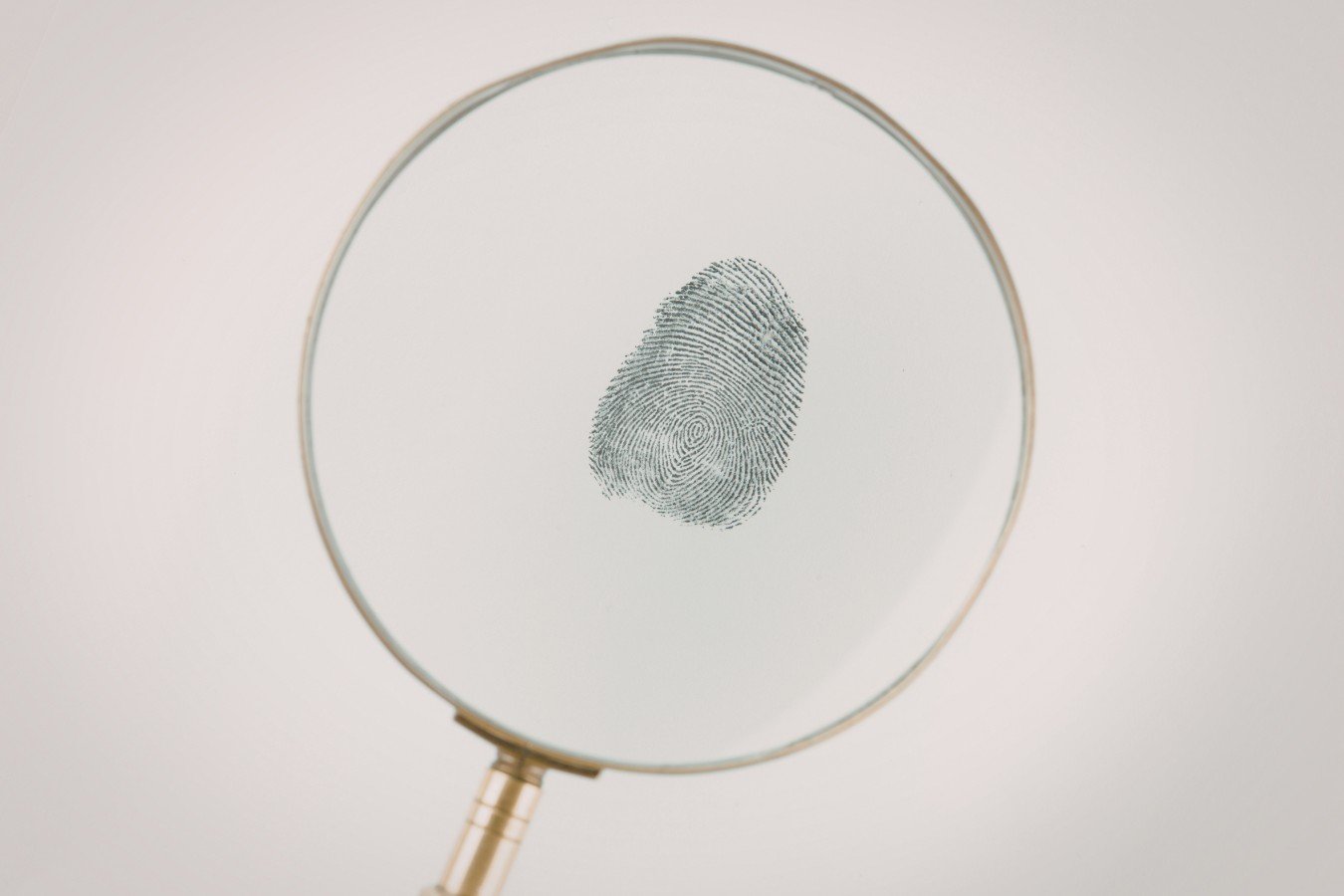
Getting fingerprinted should be a quick and exciting milestone on your way to a new job, a professional license, or a volunteer opportunity. You book your appointment, show up, place your fingers on the glass, and walk out. Simple, right?
Unfortunately, small oversights can quickly turn this straightforward process into a frustrating ordeal. When you make simple fingerprinting mistakes, you risk delaying your background checks, missing strict employment deadlines, or even having to pay processing fees a second time.
The good news is that these errors are completely preventable. You just need to know what to look out for before you head to your appointment.
In this post, we will walk you through the top five mistakes people make when getting fingerprinted. We will cover everything from missing paperwork to basic hand care. By the time you finish reading, you will know exactly how to prepare for your live scan session so you can get in, get out, and get on with your life.
Mistake #1: Forgetting Your ORI Number
This is easily the most common and costly mistake applicants make. ORI stands for Originating Agency Identifier. It is a unique nine-character code that tells the live scan software exactly where to send your digital fingerprints.
State agencies and the FBI process thousands of background checks every single day. If you do not provide an ORI number, your fingerprints have no destination. The system cannot process them, and your employer or licensing board will never receive your results.
Many people assume the fingerprinting technician will automatically know which code to use. Because there are thousands of active codes for different agencies, schools, and hospitals, technicians cannot guess your number. If you guess and provide the wrong one, your highly sensitive data will go to the wrong agency. You will then have to start the entire process over and pay all the state and federal fees again.
How to avoid it: Always check your hiring packet or licensing application for your ORI number before your appointment. If you cannot find it, call your human resources representative or the state regulatory board directly. Write the code down clearly and bring it with you to your session.
Mistake #2: Bringing an Expired or Invalid ID
Live scan fingerprinting is fundamentally about verifying your identity. The technician must prove that the person standing in front of them is the exact person listed on the background check request. To do this, they need to see a valid, government-issued photo ID.
A surprising number of applicants show up to their appointments with expired driver's licenses. Others bring student ID cards, warehouse club membership cards, or photocopies of their passports. None of these are acceptable forms of identification for official background checks.
By law, fingerprinting technicians cannot process your prints without a valid, primary form of identification. If your ID is expired by even a single day, the technician must turn you away. This instantly delays your hiring process.
How to avoid it: Check the expiration date on your ID a few days before your appointment. Bring a primary, unexpired, government-issued ID with you. Acceptable options usually include a state-issued driver's license, a state identification card, or a valid U.S. passport. Make sure you bring the physical card or book, as digital photos on your phone will not work.
Mistake #3: Ignoring Basic Hand Care
Live scan technology is incredibly advanced. It uses high-definition optics to capture the unique ridges and valleys of your fingerprints. However, the scanner can only read what is actually on your fingertips.
If your hands are excessively dry, peeling, or heavily calloused, the machine will struggle to capture a clear image. When the ridges are too dry, they do not make proper contact with the glass platen. This results in faint, broken, or unreadable prints. If the images are too poor, the state agency or the FBI will reject your submission, forcing you to get reprinted.
On the flip side, slathering your hands in thick lotion right before your appointment is also a mistake. Heavy creams create a greasy film on the glass scanner. This causes your prints to look smudged and blurry, which also leads to immediate rejections.
How to avoid it: Start moisturizing your hands lightly a few days before your appointment, especially if you work in a profession that requires frequent hand washing. On the day of your appointment, wash your hands with soap and water, but skip the heavy lotions or hand sanitizers right before you scan. If your hands are naturally sweaty, the technician will provide a specialized wipe to prep your fingers.
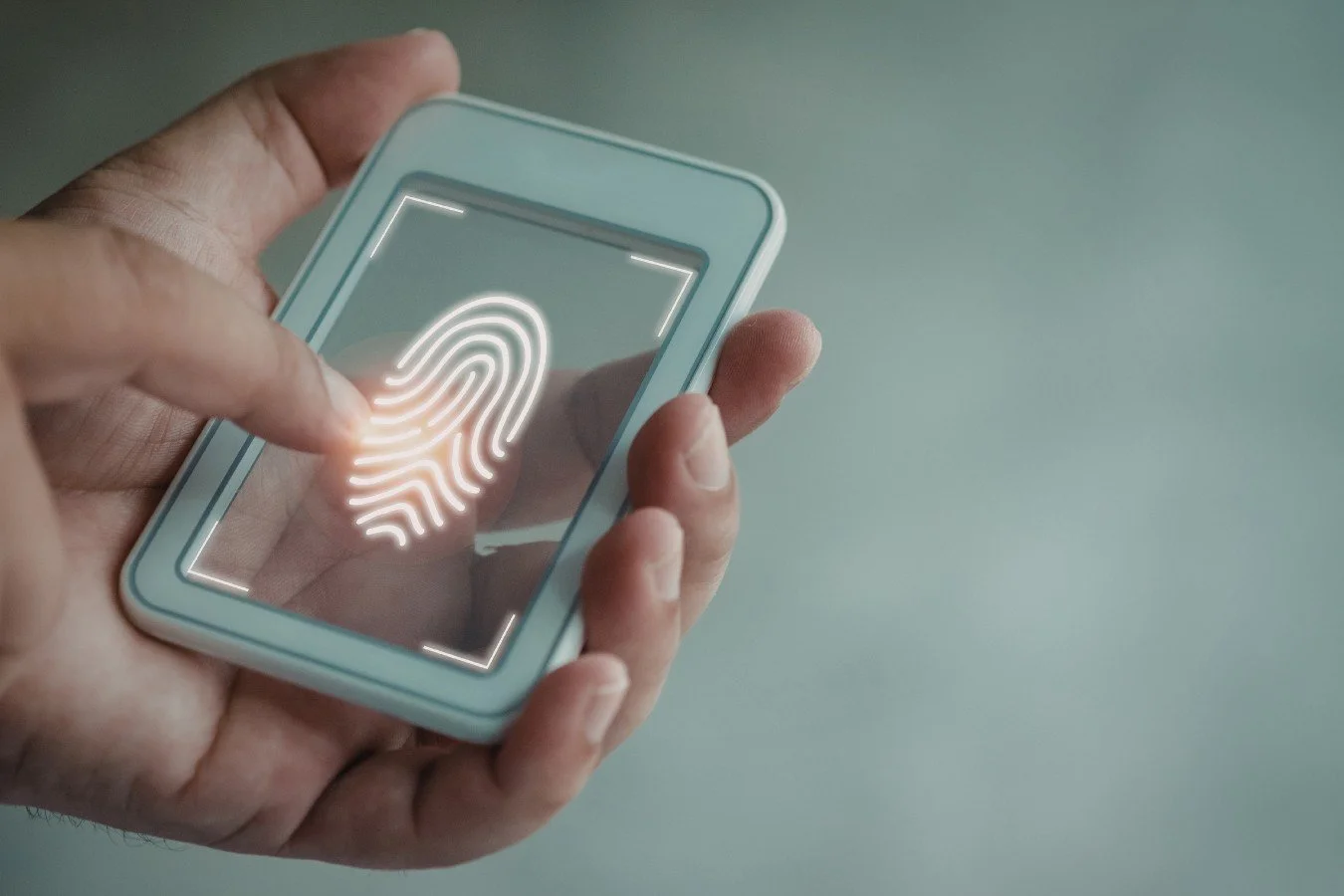
Mistake #4: Not Knowing Which Type of Background Check You Need
"I just need a background check" is a phrase fingerprinting technicians hear daily. However, background checks are not a one-size-fits-all service. There are many different types of screening, and you need to know exactly which one your employer requires.
For example, a Level 1 background check is a simple name-based search that usually only covers local or state records. A Level 2 background check is much more comprehensive. It uses your fingerprints to search national FBI databases and state criminal records.
Additionally, different industries have specific requirements. A healthcare worker needs a different screening path than a real estate agent or a financial advisor. If you request the wrong type of service, you will waste time and money on a report your employer cannot accept.
How to avoid it: Read your background check instructions thoroughly. Look for specific phrases like "Level 2 live scan," "FDLE background check," or "FINRA screening." If you have any doubts about what type of check you need, ask your hiring manager or the agency requesting the screening for clarification before you book your appointment.
Mistake #5: Rushing and Tensing Up During the Scan
Getting fingerprinted can feel a bit nerve-wracking, especially if it is your first time. Many applicants rush into the office and try to force their hands onto the scanner to get it over with quickly. This actually makes the process take much longer.
When you tense your fingers, lock your wrists, or try to "help" the technician by pressing down hard on the glass, you distort your fingerprints. The ridges flatten out, and the machine captures a smudged image. The live scan software will immediately flag the image as poor quality, and the technician will have to wipe the screen and start over.
Rolling fingerprints is a collaborative process, but the technician needs to take the lead. They are trained to guide your fingers across the glass at the exact speed and pressure required for a perfect scan.
How to avoid it: Take a deep breath and relax your hands and shoulders. Let your arm go slightly limp, almost like a wet noodle. Allow the technician to hold your fingers and gently guide them across the scanner. If you relax and let them do the work, the machine will capture high-quality prints on the very first try.
Guarantee a Seamless Fingerprinting Experience
Your background check does not have to be a stressful hurdle. By preparing properly, you can breeze through your live scan session.
Double-check your paperwork to ensure you have the correct ORI number. Verify that your government-issued ID is unexpired and in your wallet. Take care of your hands in the days leading up to your appointment, and arrive knowing exactly what type of service you need. When you sit down with the technician, simply relax and let them guide you through the process.
Taking these few simple steps ensures your biometric data routes to the correct agency immediately. You avoid unnecessary processing delays, save money on duplicate fees, and keep your new job or license application moving forward right on schedule.
Avoid fingerprinting mistakes with Blue Line Mobile Fingerprinting. Contact us today to ensure a smooth and hassle-free experience.
